Prairieville Animal Hospital Vet Clinic: Emergency Care at a Glance
Emergencies arrive without a script, catching you and your pet off guard. At Prairieville Animal Hospital, we learned long ago that preparation and practiced calm can make a real difference when it matters most. Our emergency care team blends seasoned clinical judgment with a practical, hands-on approach that comes from years of real-world cases. The goal is simple: stabilize the animal, protect the owner from unnecessary panic, and lay a clear path toward recovery.
What an emergency visit feels like from the client’s side is often a mix of fear, urgency, and a dash of hope. The waiting room can feel like a shifting landscape of sounds and movements as pets arrive in crisis, and the staff respond with a steady rhythm that comes from routine, not haste. You will notice a structured process that remains as humane as it is efficient. From triage to treatment plans, the team communicates plainly, with honest timelines and concrete expectations. That clarity matters when every minute counts.
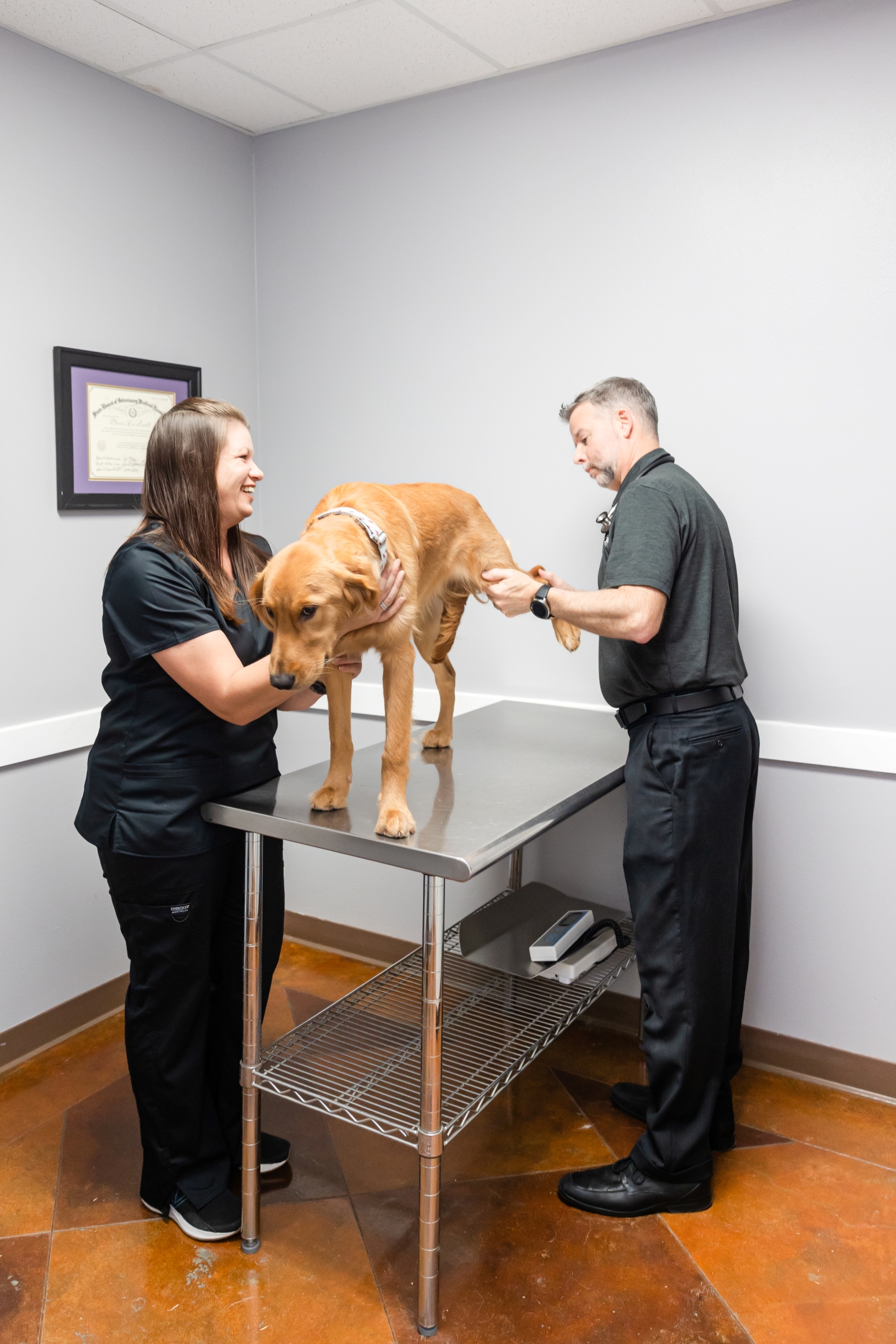
A practical framework guides our emergency workflow. First contacts are screened by front desk staff and triage technicians who listen for the most critical symptoms. Then a clinician assesses the animal, prioritizing life-threatening conditions and forming a plan that can evolve as tests return results. Throughout the visit, owners receive explanations about what is happening and why, along with realistic projections about the next steps. The aim is not to rush decisions but to ensure every decision is grounded in the strongest possible evidence available at that moment.
The clinical environment itself supports rapid response without sacrificing care. We staff an emergency room with dedicated kennels and a fully equipped intensive care area. Diagnostic capabilities include on-site radiography, ultrasound when needed, in-house chemistry panels, and access to surrounding laboratories for specialized testing. When a case requires it, we coordinate with overnight support and specialists to keep the patient moving toward stability. The continuity of care matters, and that means someone at Prairieville Animal Hospital is watching the animal’s progress from moment one through recovery.
In practice, the most important factor is timing. The gap between a concerning symptom and decisive action can transform a potentially severe scenario into a manageable one. A dog who cannot bear weight, a cat with labored breathing, or an animal that has ingested a toxin all demand different kinds of attention, but the underlying principle holds: early assessment and rapid stabilization save lives. We emphasize two critical elements: honest communication and swift, evidence-based decisions. These are not abstract ideals in our clinic; they are the everyday tools that our clients experience during an emergency.
Triage happens in a matter of minutes. A skilled technician will first determine whether there is a risk to breathing, circulation, or consciousness. The goal is to classify needs into urgent, emergent, and non-urgent categories without delay. In many emergencies, the first hours determine the outcome, so the triage process is not a formality. It is a lifesaving step that guides the allocation of resources, from medications to imaging and monitoring. When clients ask how long a visit will take, we respond with a realistic range based on the current load, the severity of the case, and the specific tests to be run. Expect transparency about potential delays if the hospital is busy—knowing what to anticipate helps families plan and stay calm.
The emotional facet of emergencies cannot be overlooked. Pet owners arrive with worries that feel personal, which they are. We recognize this and address it with empathy alongside clinical action. Our staff makes room for questions, invites owners to observe while safe, and explains every intervention in plain terms. It is not about winning a medical debate in the moment; it is about building trust so that families feel supported and empowered to participate in decisions. In a crisis, emotions run high, but disciplined communication keeps the focus where it should be: the patient’s best interests.
Early stabilization is followed by a clear plan for diagnostic work and treatment. Depending on the case, stabilization may involve oxygen support, fluids, pain control, or medication to regulate heart rate and blood pressure. Once the animal is stable, the team proceeds with targeted diagnostics. Radiographs can reveal life-threatening issues such as internal bleeding or crowding of airways. Ultrasonography helps identify organ injury or fluid accumulation. Bloodwork provides essential clues about organ function, electrolyte balance, and signs of systemic shock. The sequence is designed to minimize the time between recognition of a problem and the arrival of a definitive treatment.
In the aftermath of stabilization, the care transitions into a more detailed treatment plan. If the situation allows, owners are invited into the discussion as soon as possible. This phase covers the prognosis, potential side effects of treatments, the anticipated length of hospitalization, and any necessary home-care instructions. We understand that discharge planning matters almost as much as the initial intervention. Clear instructions about medications, feeding, activity restrictions, and follow-up visits reduce the chance of setbacks and help families regain confidence at home. For many animals, the path from emergency care to recovery is a steady journey that requires consistent follow-through.
Our philosophy of care leans on evidence-based medicine, but it does not stop there. The day-to-day decisions in an emergency often hinge on subtle cues, the animal’s demeanor, and the way symptoms evolve in real time. A fixed algorithm is valuable, yet flexibility matters when the patient refuses to fit a textbook scenario. That is where the experience of our clinicians shines. Years of practice translate into the ability to adjust plans as new information becomes available, avoiding rigidities that can hamper a fragile patient.
The communication with pet owners during an emergency is a constant thread throughout the visit. We aim for a balance between brevity and thoroughness. Quick summaries accompany longer explanations, and we offer written notes that recap the plan, medications, and follow-up expectations. In urgent moments, owners often want the essential details that influence immediate decisions. As soon as it is feasible, we provide a more complete briefing so families can digest the information without feeling overwhelmed. The goal is to empower owners to participate in care while understanding the constraints of an emergency situation.
Beyond the technicalities, the human side of emergency care at Prairieville Animal Hospital is rooted in practical wisdom. We know that some clinics drift toward a clinical detachment that can feel cold to families in distress. Our approach favors warmth and steadiness without compromising accuracy or speed. This is not sentimental theater; it is a deliberate stance that acknowledges the emotional terrain of pet ownership. Compassion is not a substitute for competence, but it is the glue that helps clients stay engaged with the process, ask informed questions, and partner in the steps toward healing.
For many families, preparing for an emergency scenario is a test of planning as much as it is a test of medical acumen. A few practical habits can make a meaningful difference when a crisis hits. Keep numbers ready: your veterinarian’s after-hours contact, the nearest 24-hour emergency hospital, and the phone numbers for poison control or regional poison information lines. Have a recent photo and a list of medications, including doses and schedules, handy. Know your pet’s baseline behavior and any chronic conditions that could influence an emergency response. In a quiet moment at home, assemble a small kit with a clean towel, a leash or carrier, a bowl for water, and a few extra towels. Small steps like these reduce the chaos when a crisis unfolds and help the team move quickly.
The emotional toll on the owner is real and deserves attention. Families often relive the event long after the hospital visit, replaying what they could have done differently. We encourage owners to document questions as they arise, to ask for clarifications when needed, and to request written summaries of the care plan. The aim is to avoid second guessing and to ensure that the pet’s care continues to advance after discharge. The last thing any clinic wants is a return trip because something was misunderstood or under-addressed. Clear, patient-centered communication helps close that loop.
Choosing the right emergency partner matters. Prairieville Animal Hospital is a general practice with an established emergency capacity, designed to handle the kind of urgent medical situations that require rapid, professional response. Our team includes veterinarians who bring a broad spectrum of experience—from small-animal internal medicine to critical care and trauma management. That diversity of expertise matters when a case crosses disciplines or takes unexpected turns. It is not about one brilliant moment in the exam room; it is about a consistent, reliable chain of decisions guided by current best practices.
We also recognize that emergencies have a cost dimension. The financial reality of urgent care can be daunting, and honesty about costs is part of responsible veterinary service. We provide upfront estimates when possible and lay out the likely range of charges as the case unfolds. This transparency does not dampen the commitment to care; it helps families make informed choices without the distress of late surprises. If a case requires overnight observation or specialized testing that exceeds standard coverage, we discuss options, potential outcomes, and the expected trajectory.
In some instances, an emergency is a bridge to elective or planned therapy. A dog with a bleeding disorder might be stabilized in the short term, then followed by a scheduled procedure once the underlying condition is controlled. A cat with a sudden airway obstruction could be brought to a state of secure respiration and then evaluated for chronic causes that might need management down the line. The overarching theme is continuity. An emergency is not an isolated event but a step in a longer care continuum that includes primary prevention, early detection, and coordinated follow-up.
There are limitations to any emergency service. The volume of cases can create bottlenecks, especially during peak hours or on holiday weekends. We accept that reality with a pragmatic plan: a clear triage system, transparent communication about delays, and a commitment to keep families informed as the situation evolves. We also acknowledge that certain conditions require around-the-clock monitoring that goes beyond the capabilities of a general practice. In those moments, we work with trusted partners to ensure seamless transfer to an appropriate facility and maintain continuity of care through handoffs and shared records.
The best way to maximize outcomes is preparation and timely action. If something feels off, trust that instinct. Bloat, severe vomiting with dehydration, collapse, breathing difficulty, suspected poisoning, seizures, obvious trauma, or inability to urinate in a male cat are red flags that demand immediate attention. In cases like these, time is a resource that cannot be wasted. The sooner you reach out, the better the odds of a favorable outcome. When in doubt, call the clinic. A quick consult can determine whether you should come in right away or monitor symptoms at home for a short period while you prepare to travel with your pet.
Two practical guidelines can help owners navigate emergencies with more confidence. First, have a plan for what to do if your primary veterinarian is unavailable after hours. The most reliable approach is a local after-hours clinic or an affiliated emergency network that can take your pet in when you cannot. Second, keep a current medical record on hand. A concise summary of vaccines, chronic conditions, current medications, and known allergies can dramatically speed up triage and treatment. The difference between a rushed, uncertain decision and a precise, timely intervention is often a single piece of information that the team receives early in the visit.
For families facing the emotional and logistical complexity of an emergency, Prairieville Animal Hospital Vet Clinic aims to be a steady, dependable anchor. We know that every case carries a story—an anxious owner, a frightened pet, a moment of crisis that demands both heart and science. Our emergency care philosophy rests on three pillars: rapid stabilization when needed, transparent communication about the plan, and thoughtful planning for recovery and ongoing management. It is a practical approach that reflects years of daily practice in a busy, real-world setting.
In this field, no single article can substitute for the experience of an actual visit or a live conversation with a clinician. Yet the core truths endure: emergencies are unpredictable, but a prepared team can shape outcomes. The team at Prairieville Animal Hospital has built a system around reliability, continuous learning, and respectful collaboration with clients. We pursue that every shift, in every room, with every patient. When a crisis arrives at your door, you deserve care that is competent, compassionate, and clear about what comes next.
What to do in an emergency: what really helps, when minutes count
- Call ahead if you can. Even before you arrive, letting the staff know you are en route helps prioritize your pet’s care and speeds the initial assessment.
- Bring a concise medication list and any known allergies. A quick reference saves time during triage and prevents dangerous interactions.
- Keep a simple leash or carrier ready. A calm but secure transfer reduces stress for the animal and helps staff manage the situation efficiently.
- Note the main symptoms and their onset. A short, precise description guides the clinician toward the most relevant diagnostics and treatments.
- Follow posted aftercare instructions. Recovery at home hinges on appropriate dosing, activity limits, and timely follow-up visits.
The most common emergencies we handle offer a snapshot of the variety that can unfold in a busy practice. This list is not exhaustive, but it reflects experiences that frequently land in our exam rooms and treatment bays. You may encounter a situation that resembles one of these, or you might face something entirely unfamiliar. Either way, the initial response is the same: assess seriousness, stabilize if necessary, and determine the next step with the owner’s input.

- Vomiting and dehydration with a possible toxin exposure
- Severe trauma from a fall, vehicle impact, or bite wounds
- Respiratory distress or collapse with suspected airway obstruction or pneumonia
- Ingestion of chocolate, grapes, or xylitol-containing products in dogs and cats
- Acute weakness or paralysis with potential spinal or neurological involvement
Near the end of a crisis, the team turns attention to the longer game of recovery. Whether an animal will need short hospital observation or a plan for home management, we emphasize clear milestones. A typical discharge includes a simple outline of medications, a schedule for recheck visits, and practical signs that would prompt another trip to the clinic. Owners appreciate when they leave with a readable plan and a sense that someone is watching the patient’s progress, even if the days ahead require vigilance and patience.
In the weeks following an emergency, attention shifts to preventing a relapse or recurrence. We revisit vaccines when appropriate, review chronic conditions that could flare under stress, and adjust dietary or activity recommendations to support healing. Aftercare often intersects with chronic care, and continuity with the primary care team becomes crucial. If a patient requires ongoing medication or a specialized treatment plan, we arrange timely follow-up, whether in person or via telemedicine where appropriate. The goal is to ensure that the veterinary relationship continues to function as a reliable safety net, not a one-off intervention.
Practical experiences from the front lines shape how we train new clinicians and how we communicate with clients. One lesson that remains consistent across cases is the value of humility. Even with the best tools and fastest response, unexpected complications arise. A prudent clinician remains curious, double-checks critical steps, and accepts when a second opinion is needed. This humility, paired with solid clinical judgment, creates a culture where patient welfare is the central priority rather than a sensational outcome. In a field that moves quickly, the capacity to pause, reassess, and adjust is as important as any technique learned in medical school.
The culture within Prairieville Animal Hospital extends beyond the exam room. We invest in continuous education for staff, regular drills to keep emergency protocols fresh, and open channels for feedback from clients. After a high-stress shift, we review what went well and what could be improved, not to assign blame but to refine the system. This reflective practice translates into more reliable care for subsequent patients and calmer, more informative conversations with families who are facing the unknown.
The role of the veterinarian in an emergency almost always involves a blend of science and service. The science is the backbone: a solid foundation in anatomy, physiology, pharmacology, and diagnostic interpretation. The service is the temperament that helps families navigate fear and uncertainty. A calm voice, a steady hand with a needle, a careful explanation of risks and benefits—these are as essential as the technical procedures. When a pet is lucky enough to stride out of the emergency room with stable vitals, owners often carry a renewed sense of appreciation for what a well-run clinic can deliver in a moment of crisis.
The realities of emergency medicine also include tough, sometimes uncomfortable decisions. There are cases where the prognosis is uncertain, where owners must decide between continuing aggressive treatment and humane euthanasia. In those moments, we honor the weight of the choice, offering clear information about likely outcomes, comfort measures, and the animal’s quality of life. The aim is never to rush that decision but to ensure it is informed and compassionate, with the owner supported by a clear, ethical framework and a team that is present for them throughout the process.
As for technology, our emergency suite is designed to be both comprehensive and practical. Real-time monitoring, point-of-care testing, and the ability to mobilize multiple diagnostic modalities quickly are essential features. But the human factors remain equally important. A well-placed monitor does not replace a veterinarian’s trained judgment; it augments it. When the data points align with a clinical picture that demands particular intervention, we act decisively. When the data is ambiguous, we slow down and gather additional information. The balance between speed and precision is a constant negotiation that defines emergency medicine in a modern veterinary practice.
If you are a pet owner facing an emergency, take a breath and remember that you are not alone. Prairieville Animal Hospital exists to partner with you during a moment of fear and a period of recovery that follows. The hospital’s doors are open after hours when necessary, and a system of back-up support allows for seamless transitions if a case needs higher-level care. Our clinicians are approachable, their interchanges with clients are candid, and every decision is documented with patient welfare at the forefront.
In the end, the measure of an emergency service is not only how quickly it handles a crisis but how thoroughly it supports the family through the aftermath. The best outcomes come from swift stabilization, precise diagnostics, thoughtful treatment plans, and a clear path for home care and follow-up. Prairieville Animal Hospital Vet Clinic strives to embody this blueprint in every emergency encounter. The community deserves nothing less, and the animals depend on it.
If you ever find yourself counting seconds and wondering what comes next, know that a capable team is nearby. Reach out, share what you observe, and let us translate that early information into a plan read more of action. The experience can be daunting, but it does not have to be solitary. With steady hands and clear communication, we can navigate the crisis together, one step at a time.