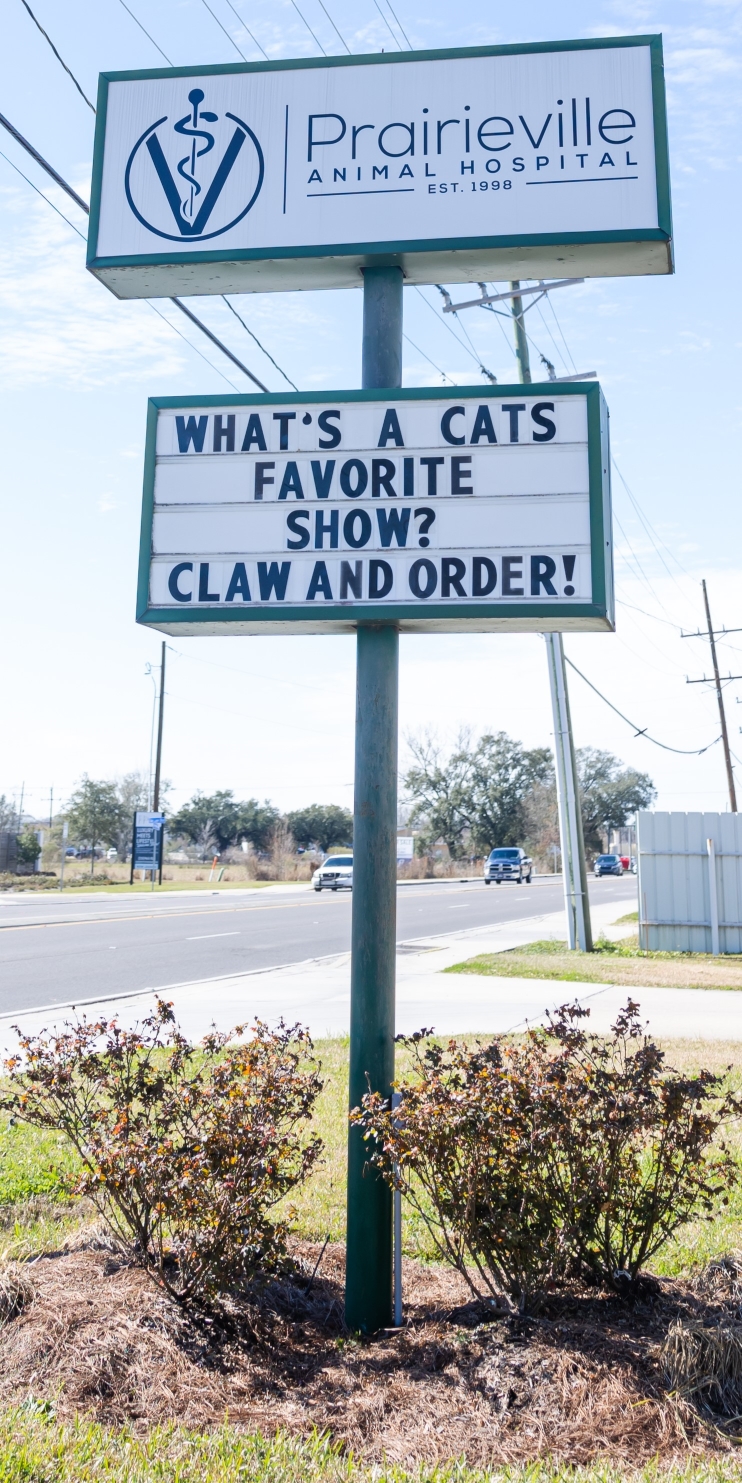
Senior Pet Care Milestones: A Plan from Prairieville Animal Hospital
In practice, caring for a senior pet feels less like a single moment and more like a prolonged conversation with a living being whose needs shift as steadily as the seasons. At Prairieville Animal Hospital, we have learned to read those shifts through small signs—the way a dog circles before lying down, the steadier pace of a cat’s grooming routine, the way appetite can linger or waver as weather changes. A structured plan that respects these changes, while remaining flexible enough to adjust, makes all the difference. This article outlines a practical, experience-rich approach to senior pet care, anchored in real-world clinic wisdom and tailored to families who want clear steps, measurable goals, and compassionate support.

A solid plan begins with an honest check-in. For many families, senior pets arrive already carrying a history of quiet resilience. They have lived alongside children and routines, weathered colds and vaccines, and learned to tolerate daily routines with patience. The first milestone, then, is not about prescribing more tests or chasing every minor symptom. It is about establishing a baseline that respects the animal’s current state and the owner’s expectations. We encourage families to gather a few stable data points—weight, energy level, appetite, and daily mobility—before scheduling the first round of senior-specific vet visits. This grounding moment helps us distinguish between a temporary blip and a meaningful trajectory.
Weight naturally plays a central role in senior wellness. In our experience, weight stability is often a better predictor of overall health than any single symptom. When a dog or cat maintains a comfortable, steady weight, we know their metabolism, dental health, and organ function are holding steady as well. By contrast, even small weight fluctuations can signal trouble: early kidney changes, thyroid imbalances, or dental pain that discourages eating. The practical rule of thumb we share with clients is to record a weekly weight for the first month after the senior transition, then move to monthly checks alongside yearly wellness exams. Owners may notice a quiet change before our scales do, so a short home diary of appetite, water intake, and activity helps confirm what the numbers say.
Movement is another reliable lens for aging pets. We often see dogs that still want to roam the yard but tire after a shorter track than before. Cats may still leap onto countertops, yet the leap becomes more measured, with a pause to assess grip and reaction. The plan is not to push through pain but to adapt. A practical approach includes evaluating joint comfort, muscle mass, and stamina during calm, non-stressful exams. For dogs, we might discuss safe yard routines, the best times for walks, and whether a harness design reduces effort. For cats, we sometimes recommend enrichment that stimulates mental energy without overtaxing physical reserves. The aim is to preserve mobility and curiosity, because those two things are often the best indicators of a pet’s long-term quality of life.
Pain is a frequent companion in senior pets, yet it rarely presents as a single, dramatic symptom. Instead, it whispers through behavior: reluctance to jump onto a bed, slower responses at feeding times, or subtle changes in visit website vocalization. Our approach is to treat pain as a daily signal rather than a crisis. A careful pain assessment becomes part of every visit. We pair this with a gradual, tailored plan that may include anti-inflammatory options, joint-support supplements, and soft-tissue therapies. The nuance comes from pairing pharmacologic strategies with environmental modifications. A padded bed in a low-traffic corner, warm sunlight in a preferred spot, and accessible water sources can all contribute to comfort. The most successful plans loop back to the pet’s everyday routines, fostering consistency while easing discomfort.
Dental health is often overlooked in aging pets, but it remains a cornerstone of systemic well-being. Senior pets accumulate dental plaque and gum inflammation just as humans do, and untreated dental disease can contribute to heart and kidney strain over time. We recommend at least one dental assessment per year, with more frequent cleanings or targeted therapies for those with preexisting concerns. Even simple changes—a softer diet, a mechanical toothbrush if tolerated, or dental chews approved by our team—can slow the progression of disease and reduce the risk of infection. The goal is not to chase perfect dental numbers but to protect the animal from pain and prevent cascading health issues that erode vitality.
A robust senior plan also includes preventive medicine tailored to the late-life stage. Vaccination schedules may shift, parasite control may become more nuanced, and screenings for organ function can reveal early signals of trouble that medications or lifestyle changes can address. Routine blood work and urinalysis often provide a compass for steering care in the right direction. We work with families to interpret results in practical terms: what does this mean for daily life, what adjustments are necessary, and how can we maintain the pet’s dignity while pursuing health goals? The emphasis is on ongoing collaboration, not a single directive handed down from a clinician.
To anchor these ideas in reality, we offer a practical roadmap built around five core milestones. These milestones are not rigid checkpoints but signposts that help families calibrate care as the animal ages. They emerge from countless visits where owners describe subtle shifts, and our team translates those signals into concrete steps.
Milestone 1: Establish a senior baseline
- What happens: A comprehensive wellness exam that focuses on weight, body condition, blood pressure (when appropriate), dental health, and mobility. We repeat essential tests at intervals that reflect the pet’s age and risk factors.
- Why it matters: Baseline data gives us a reference point to recognize meaningful changes and to adjust treatment plans quickly.
Milestone 2: Stabilize pain and mobility
- What happens: A targeted plan that may combine medications, supplements, and environmental adjustments. We emphasize non-pharmacologic options first, adjusting as needed.
- Why it matters: Pain control and comfortable movement keep pets engaged with their surroundings, which supports mental health and appetite.
Milestone 3: Review dental health as a daily routine
- What happens: Regular assessments, with timely dental cleanings when indicated and carefully chosen home care strategies.
- Why it matters: Oral health affects overall health; addressing it reduces infection risk and improves feeding comfort.
Milestone 4: Revisit nutrition and weight management
- What happens: A diet plan aligned with age, activity, and health status. We consider calorie targets, food texture, and any dietary restrictions.
- Why it matters: Small adjustments here can yield outsized benefits in energy, coat condition, and organ load.
Milestone 5: Layer preventive care into the life design
- What happens: A practical schedule for vaccines, parasite control, routine lab work, and screen tests for organ function.
- Why it matters: Early detection and proactive care can defuse problems before they escalate, preserving quality of life.
These milestones are the scaffolding for a flexible, humane care approach. They are reinforced by a routine that many families find stabilizing: predictable visits, clear explanations, and a sense that the veterinary team is a partner rather than a distant advisor.
A central challenge in senior care is balancing the desire to extend life with the obligation to maintain a pet’s comfort and dignity. This balance often requires trade-offs. For instance, aggressive interventions may extend life by months but complicate daily life with frequent vet visits and the stress of testing. In other cases, conservative management with careful monitoring may preserve happiness and function for longer. Our clinicians walk families through these trade-offs, offering data-informed perspectives while respecting the animal’s personality and the family’s capacity.
Real-world examples illuminate how these ideas play out in practice. Consider Biscuit, a ten-year-old terrier mix who began waking earlier in the night, pacing near the door as if to check for a familiar walk. A careful pain assessment revealed mild hip discomfort and early arthritis. Biscuit’s family opted for a stepped plan: a low-impact exercise routine in the mornings, a joint-friendly diet, and a staggered regimen of anti-inflammatory medication timed to his most active periods. Within weeks, Biscuit slept more soundly, showed renewed interest in a favorite squeaky toy, and retained the energy to greet visitors at the door. The care plan did not erase aging, but it made aging kinder.
Then there is Willow, a nine-year-old cat who had begun to lose weight and show less interest in meals she previously loved. The team at Prairieville Animal Hospital approached Willow’s decline as a multi-layered puzzle. Dental evaluation revealed gum inflammation that discouraged chewing. A dental cleaning was scheduled with anesthesia tailored to Willow’s health profile. Simultaneously, we adjusted her diet to a softer texture while testing thyroid and kidney function. Results guided a careful adjustment in calories and a small dose of thyroid medication that restored appetite and stabilized weight. Willow remains a thoughtful, calm presence in her home, a reminder that diligence in senior care has tangible, daily payoff.
Before embarking on any exam or treatment plan, we emphasize the importance of a team approach. Senior pets thrive when families partner with veterinarians, nurses, and support staff who speak plainly about options and expectations. A good plan translates complicated medical language into practical choices. It also allows room for early reevaluation if a treatment proves less effective or if the pet’s preferences shift.
Let us turn to the practical side of implementing a senior pet care plan in a way that feels doable for busy households. The clinics we operate at Prairieville Animal Hospital are designed to be accessible, with appointment times that cater to working families and extended hours on some days. The care team aims to minimize stress for pets who may be anxious in a clinic setting. We encourage owners to bring a familiar blanket or toy and a favorite treat for after-visit reward. A calm, predictable routine helps many animals weather the visit with less arousal, which in turn makes the data we gather more reliable.
Communication is the backbone of effective senior care. We offer a simple, transparent framework for how we discuss tests and treatments. When a lab result calls for action, we present the concern in concrete terms: what the result means, what a realistic response looks like, and how long we expect to wait before another check. Owners appreciate this approach because it removes ambiguity. It also creates a shared understanding of the risk versus reward associated with each option. The veterinary team is careful to avoid alarmist language and instead provide a clear path forward.
Affordability is another essential thread in senior pet care. Families do not always have the option to pursue every test or procedure. We work with owners to prioritize interventions that deliver meaningful improvements in daily life. A practical example is choosing between broad-spectrum imaging and targeted diagnostics when a problem is localized. In many cases, early-stage issues can be managed with a combination of at-home care, dietary adjustments, and planned rechecks rather than immediate escalation to expensive imaging. Our goal is to preserve the highest possible quality of life within a sustainable budget.
To support families in this long journey, here is a compact set of practical steps that can be implemented across different life stages. The next two sections present concise lists that distill core ideas into action.
First list: five concrete steps you can start today
- Create a simple home health log that tracks weight, appetite, water intake, and activity
- Schedule a senior wellness exam once or twice a year, with a follow-up plan for any concerns
- Assess the sleep and resting patterns of your pet, adjusting bedding and environment for comfort
- Review the house for hazard reduction, such as slippery floors or accessible medications
- Discuss a personalized nutrition plan that matches age, activity, and medical history
Second list: five services commonly used in senior pet care
- Comprehensive wellness exams that emphasize age-related changes
- Pain management plans including medications, supplements, and non-drug options
- Dental care programs that cover cleaning, polishing, and home care guidance
- Nutrition counseling that aligns food choices with medical needs
- Routine screenings for organ function and disease surveillance
These lists are designed to be a practical, easy-to-use toolkit. They are not exhaustive, but they do offer a structured way to begin a conversation with your veterinarian. The aim is to reduce guesswork, not to replace expert judgment.
Within Prairieville Animal Hospital, senior pet care is not a service category alone; it is a philosophy that threads through every appointment, every discussion, and every home visit. The clinic’s strength lies in translating clinical information into plans that owners feel confident implementing. We know that every animal ages differently, and the human side of the relationship matters just as much as the medical details. To that end, we emphasize tailored plans over one-size-fits-all scripts.
A practical caveat about aging and medical care is the importance of recognizing when the goals shift. There are moments when the best course is to prioritize comfort over aggressive disease management, especially when the pet shows signs of persistent pain, rapid decline, or a loss of interest in essential activities. In those moments, the family and the clinician reframe the objective toward daily well-being rather than longevity. This is not a defeat; it is a compassionate recalibration that preserves dignity and minimizes suffering. In our experience, these conversations are among the most difficult but also among the most meaningful. They reveal a shared understanding that aging does not erase the bond between pet and owner, but it does change how care is allocated and delivered.
The scheduling and logistics of senior care can feel overwhelming, especially when the household already balances work, school, and caregiving duties for people. The pragmatic answer is to embed small, repeatable routines into daily life. For example, choose one time of day for weigh-ins and a short, consistent play or gentle exercise session. Keep a steady supply of easy-to-consume meals and planned feeding times. When visits to the clinic are necessary, plan a sequence that minimizes the pet’s travel stress: short rides, familiar carriers, and a quick check-in with a familiar staff member who can speak softly and calmly. These small routines add up to a predictable world for an aging animal, which in turn reduces anxiety and helps us gather reliable information during exams.
How do you know if you are succeeding with a senior care plan? Success is measured not only in longer life but in improved daily function and comfort. If your pet regains the ability to jump into a favorite spot, or if there is renewed interest in play and exploration after months of quiet, those are signs of meaningful progress. If a pet loses appetite despite multiple strategies, that also signals a need to adjust the plan. The key is ongoing conversation: regular check-ins, a willingness to tweak medications or diets, and a readiness to pause or pivot when the animal signals tiredness or disinterest.
In practice, a senior care plan resembles a long conversation that spans months and even years. It is built around shared goals, open dialogue, and a sense that age need not erase vitality. It is about finding balance between medical vigilance and everyday living. It respects the complexity of aging while remaining anchored in the realities of family life. The plan should never feel like a medical millstone around the neck. Instead, it should feel like a dependable partner in navigating a journey that is as much about love as it is about science.
As you consider your own pet’s aging process, reflect on the questions that matter most: What daily routines support energy and comfort? What signs should prompt a veterinary visit, and what is the threshold for a diagnostic test versus a conservative approach? How can you ensure your home remains a safe, stimulating environment that honors your companion’s preferences? The answers are rarely one-size-fits-all, but they become clearer when you sit with a clinician who listens, explains, and co-authors a plan that fits your pet and your family.
At Prairieville Animal Hospital, senior pet care is not a product feature. It is a constant, evolving practice shaped by patient histories, owner stories, and the quiet insight that comes from years of hands-on care. The milestones outlined here are a scaffold, not a prescription. They invite families to step into a steady, practical rhythm that honors a life well loved and a bond that endures across the decades. The right plan places comfort first, respects the animal’s voice as it ages, and keeps the door open to laughter, curiosity, and the small moments of joy that make every day meaningful.
If you would like more tailored guidance, consider arranging a senior wellness consult with Prairieville Animal Hospital. The team will listen to your observations, review your pet’s medical history, and help translate the aging process into clear, feasible steps. A good plan is not a rigid timetable; it is a living document that grows with your pet, your family, and the realities of daily life. Our goal is simple: to help you maintain dignity, comfort, and connection with your aging companion long after the years have added up.