Spay and Neuter: Prairieville Animal Hospital’s Comprehensive Care Plan
The choice to spay or neuter a pet sits at the intersection of personal responsibility, compassionate animal care, and community health. At Prairieville Animal Hospital, the decision is never treated as a one-size-fits-all procedure. Instead we talk through risks and benefits honestly, weighing a pet’s age, health history, and living circumstances against the broader realities of animal overpopulation and behavioral training. Over the years I’ve learned that a well-executed spay or neuter is less about a single moment in the exam room and more about a chain of competent steps that begin long before the anesthesia is ever administered and extend well after the sutures come out.

The day we first meet a cat or dog facing a spay or neuter, our aim is to set expectations clearly. Clients benefit from knowing what the procedure involves, what we monitor for, how pain is controlled, and how to prepare at home for a smooth recovery. Our care plan is built around three pillars: safety, comfort, and clarity. When these are in place, the rest tends to fall into place as well. The clinic’s atmosphere—calm, methodical, and oriented toward small, practical details—helps animals tolerate the process with less stress. That matters because a calm patient typically recovers faster and with fewer complications.
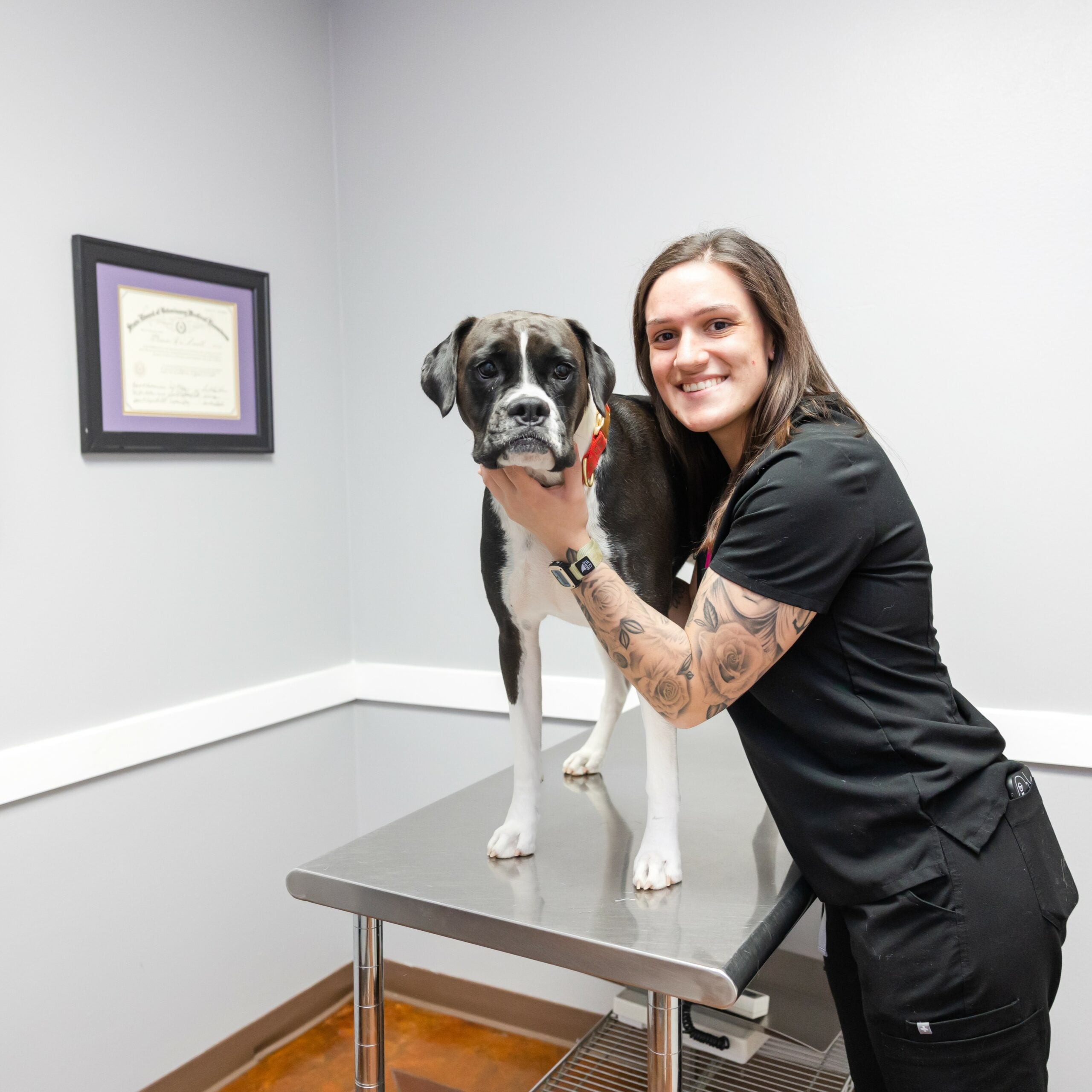
The spay and neuter decision is often misunderstood as a universal right answer. In practice, there are trade-offs to consider. Younger animals may heal quickly, but some conditions call for a more individualized timeline. Older pets or those with certain medical histories require adaptations that may lengthen the preoperative or postoperative plan. In our experience, walking clients through these check this out nuances creates a sense of partnership rather than a sense of obligation. It is this partnership that underpins successful outcomes and sustained wellness.
A strong foundation for spay and neuter care begins with the veterinary clinic’s everyday routines. Our team emphasizes accurate preoperative assessment, precise anesthetic protocols, meticulous surgical technique, and comprehensive aftercare instructions. The goal is not merely to remove reproductive capacity but to maintain overall health and minimize anesthesia-related risk. With that in mind, we avoid unnecessary urgency and allow time for the safest, most controlled approach possible. The result is a plan that respects the individuality of each patient while upholding a shared standard of care.
Preparing for surgery is a shared process. For many families, the first step is scheduling a preoperative evaluation. This is an opportunity to review medical history, confirm vaccination status, and discuss any current medications. We also screen for conditions that could complicate anesthesia, such as respiratory or cardiac concerns, and we identify age-appropriate blood work that provides a clearer picture of the pet’s baseline health. On the practical side, clients receive clear instructions about fasting, hydration, and transportation. The more precise the directions, the smoother the day of surgery tends to be.
In the sections that follow, you’ll find a concise map of Prairieville Animal Hospital’s comprehensive spay and neuter care plan. The narrative below is grounded in real-world experience drawn from years of practice in a veterinary clinic that treats a range of breeds, ages, and life situations. The emphasis remains steadfast: safety, comfort, and transparent communication, from intake to discharge.
A close look at the process helps demystify what can otherwise feel like a black box. The surgical suite, the anesthesia team, the nursing staff, and the client education team all play critical roles. Each member is trained to anticipate potential challenges and to respond with calm, efficient actions. When you’re facing the decision for your pet, knowing who is watching over the procedure and how risk is managed makes the path forward more navigable. This is not theoretical care. It’s the day-to-day practice of keeping pets safe, comfortable, and ready to return to the home routine as soon as possible.
Preoperative groundwork is more than a checklist. It is the first conversation with you, the pet owner, about expectations, risk, and recovery. The day begins with a review of medical history and a conversation about anesthesia. Our team discusses the plan for pain management, the exact medications used, and the expected timelines for recovery. We also review the pet’s current weight and any recent changes in appetite or activity. These details may seem small, but they feed into safer dosing, smoother induction, and a more predictable recovery trajectory. The approach is collaborative, turning what could be a routine medical procedure into a thoughtful, patient-centered experience.
The actual act of spay or neuter is a disciplined, clean process. In the operating room, sterility is a fundamental baseline, but so is the ability to adapt. Each procedure travels along a well-defined pathway: induction of anesthesia, maintenance with a carefully monitored anesthetic protocol, surgical access, removal of reproductive organs, and meticulous closure. Every step is an opportunity to minimize tissue trauma and reduce postoperative discomfort. The goal is not only to complete the operation efficiently but to ensure the patient leaves the room stable, warm, and ready to begin recovery in a quiet space. We’re mindful of the tiny details that matter—padded draping, consistent temperature, gentle tissue handling, and rapid identification of any unexpected bleeding. Experience matters here, because even small deviations can change the dog or cat’s recovery experience.
Pain control is a critical thread woven through the entire experience. We know that cats and dogs respond differently to pain and to medications, and we tailor regimens accordingly. A combination of local nerve blocks, systemic analgesics, and anti-inflammatory strategies gives most pets a smooth transition from anesthesia to wakefulness. The aim is comfort in the immediate hours after surgery, followed by continued relief as the pet resumes normal activity. We provide clients with specific dosing schedules, signs of potential trouble to watch for at home, and the expected window for return to baseline behavior. The practical upside is straightforward: pets that are not scowling in pain or yawning with discomfort tend to eat sooner, rest easier, and recover more predictably.
Discharge day is not a finale but a handoff. Clear, written instructions accompany every patient home. The instructions cover wound care, activity restrictions, and medication administration. We encourage owners to observe for signs of swelling or redness around the incision, changes in appetite, or lethargy that lasts longer than a day. The instruction sheet includes a simple timeline for when to contact the clinic and what information to provide if questions arise during the weekend or on a holiday. Our team makes a point to be available for follow-up questions, ensuring that any concerns can be addressed quickly rather than through anxious late-night phone calls.
The two most influential factors in a successful recovery are activity management and environmental support. First, keeping the pet calm early on matters because stress can hinder healing. A quiet room, a favorite bed, and controlled access to stairs or high places create safe space for the first 48 to 72 hours. Second, consistent, small meals matter. Appetite may lag immediately after anesthesia, but offering a familiar food in small portions helps prevent dehydration and supports energy restoration. The balance here is not about pushing through but listening to the pet’s cues and offering gentle encouragement rather than forcing activity.
As the details accumulate, a broader picture emerges of what Prairieville Animal Hospital brings to the table. Our care plan is not a set of generic steps but a living framework that adapts to the pet in front of us. We take pride in the way our team communicates with families, translating medical language into actionable guidance and measurable milestones. The result is a plan that is robust enough to handle a straightforward routine spay or neuter and flexible enough to accommodate the occasional complication or special circumstance.
What to expect on the day of surgery varies with age, weight, and other health factors. Some pets arrive calm and eager to meet the team, while others march in with a little extra energy, which we appreciate for the mental health of their owners as much as for the pet’s safety. Our waiting areas are designed to minimize stress for animals. We keep the environment quiet, offer pheromone sprays that may ease nervous pets, and ensure a clean, familiar setup for all patients. The goal is straightforward: minimize the animal’s stress so the anesthesia can do its work without an unnecessary adrenaline surge.
The spay or neuter decision also intersects with dental and overall wellness programs. Prairieville Animal Hospital emphasizes a holistic approach. We look at how oral health might influence anesthesia risk and how systemic health supports faster recovery. If a pet requires dental evaluation or treatment as part of the preoperative workup, we schedule it thoughtfully to avoid delaying the essential spay or neuter procedure. The end result is a plan that supports long-term wellness, not a single surgical event.
Two lists help crystallize practical expectations for families considering spay or neuter at Prairieville Animal Hospital. They serve as quick references without replacing the detailed conversations that should happen in the exam room.
-
What to expect the day of surgery:
-
Arrival screening and check-in with the technician
-
Preoperative assessment, including vaccination status review
-
Anesthesia induction and monitoring by the trained team
-
A surgical procedure tailored to the patient
-
Immediate post-anesthesia recovery in a designated quiet area
-
Postoperative care reminders:
-
Keep the incision clean and dry, with no soaking baths for at least 10 days
-
Monitor activity and restrict jumping or running during the first week
-
Observe for swelling, redness, or discharge and report any concerns immediately
-
Administer prescribed pain medications as directed, not by guessing dosage
-
Schedule the post-op check to remove sutures if needed and assess healing progress
These lists distill core experiences into digestible references, but the real value comes from the conversations that begin well before the day of surgery. Clients often arrive with questions about timing, the difference between spay and neuter, and the potential behavioral benefits. We answer with practical detail. For instance, early-age spays are commonly scheduled around a pet’s first heat cycle window, a timing decision influenced by breed, weight, and overall health. Older pets may require preoperative blood work or adjustments to anesthesia protocols, and we discuss the rationale openly so owners understand what is happening and why.
A recurring theme in our practice is the relationship between spay or neuter surgery and pet behavior. The behavioral expectations are nuanced. In many cases, neutering can reduce roaming and certain types of aggression, while spaying can minimize marking in female cats or dogs and reduce the likelihood of heat-related behaviors. It’s important to temper expectations with the reality that behavior is influenced by multiple factors, including age, training, and home environment. The goal remains to support a pet’s well-being by removing reproductive drives that, in some cases, lead to risky situations or prolonged distress during heat cycles.
We also emphasize the broader public health and community aspects. Spaying and neutering helps curb unwanted litters, addressing the overpopulation issue that places strain on shelters and rescue organizations. The numbers behind these programs are not abstract: a single well-timed spay or neuter can prevent dozens of unplanned litters over a lifetime if the pet remains in a home or community setting that can support responsible ownership. Prairieville Animal Hospital aligns its clinic policies with those realities, coordinating with local shelters when appropriate, and offering guidance on low-cost options if affordability becomes a concern for families with limited resources.
In addition to the surgery itself, Prairieville Animal Hospital provides a comprehensive suite of companion services designed to extend the benefits of spaying and neutering beyond the single appointment. The clinic’s pet wellness exams, vaccinations, dental care, and routine preventive care create a continuum that supports a pet’s healthy life from puppy or kittenhood onward. For many families, this integration is the single most important advantage: having a single point of contact for a broad spectrum of needs helps track vaccination schedules, dental health, spay or neuter status, and behavioral milestones. The idea is to build a routine that reduces surprises and helps owners stay ahead of potential problems.
The patient journey does not end at discharge. We schedule follow-up calls and, when necessary, a post-op check visit to ensure that healing is progressing as expected. If there are concerns about appetite, pain control, or incision integrity, our team is ready to respond with guidance or an earlier in-person assessment. The relationship between clinic and client at this stage matters as much as the actual surgical outcome. It’s where trust is built and where practical experience translates into tangible peace of mind for families.
The benefits of spaying and neutering extend into everyday life at home, especially as children learn about responsibility and care. In families that pursue this plan together, the pet becomes part of a routine that includes vaccination schedules, dental hygiene, and consistent wellness checks. This is not a one-off event but a step in a longer journey toward keeping dogs and cats healthier and happier. The real-world impact is visible in smaller things too: fewer late-night trips to the shelter, less stress during heat cycles, and a more predictable home environment for pets and owners alike.
The comprehensive care approach at Prairieville Animal Hospital also addresses potential edge cases with care and clarity. For example, a larger dog with a history of joint stiffness might benefit from a slightly adjusted postoperative activity plan, including shorter leash walks during the initial recovery period and a gradual reintroduction to full play as healing progresses. A playful kitten recovering from a spay might require a different set of environmental controls, like a quiet space away from high-traffic areas and careful supervision to prevent overexertion as the animal regains energy. In both scenarios, the team remains vigilant and ready to tailor the plan to the individual animal rather than relying on a rigid template.
Education remains a cornerstone of the clinic’s approach. We provide family-friendly materials that explain what to watch for at home, how to interpret subtle changes in behavior, and when to seek veterinary input. The emphasis is practical rather than theoretical. Clients learn to recognize a feverish temperature, to notice appetite fluctuations, and to differentiate normal postoperative lethargy from concerning signs that warrant a quick call to the clinic. This practical knowledge reduces anxiety and helps families respond promptly, which is often what prevents small problems from becoming bigger ones.
Choosing the right time for spay or neuter can involve several factors. In Prairieville, we weigh breed tendencies, growth rates, and the pet’s overall health. We also take into account life circumstances at home. A family that travels frequently or has a demanding work schedule may benefit from a plan that minimizes the chance of postoperative stress in the first week. For others, scheduling flexibility may be the deciding factor. The clinic’s goal is to harmonize medical best practices with real-life constraints, so the plan remains feasible without compromising safety or comfort.
The topic of vaccination often arises in tandem with spay and neuter planning. Vaccinations for pets do not vanish in the wake of surgery; rather, they become part of a broader preventive strategy. If a pet is due for vaccines, we coordinate timing so that the vaccination schedule supports immune readiness without introducing unnecessary stress during the perioperative period. This approach helps keep the overall wellness plan coherent and easier to manage for families juggling multiple medical appointments.
Postoperative care also includes dental considerations. While not every spay or neuter plan will involve immediate dental work, oral health remains a strong predictor of general well-being. If a pet requires dental evaluation in advance or as part of a broader wellness check, we arrange this with sensitivity to the animal’s recovery timeline. The aim is to protect the pet’s comfort and to prevent any parallel procedures from becoming overwhelming. We’ve found that when dental health is integrated with spay or neuter planning, families experience fewer hiccups in follow-up care and a smoother long-term trajectory for the pet’s health.
Edge-case scenarios demand careful handling. A senior cat with chronic kidney disease, for example, may require different anesthesia dosing, more frequent monitoring, or a modified pain management plan. A mixed-breed dog with a history of anesthesia sensitivity may benefit from alternative induction agents or extended recovery time in a controlled environment. In these moments, the value of experience shows itself in the calm, measured decisions that prioritize safety and comfort over speed. The clinic’s philosophy is not to rush through a case but to ensure every detail aligns with the pet’s best interests.
Spay and neuter services sit within a broader ecosystem of compassionate veterinary care. Prairieville Animal Hospital’s comprehensive plan reflects a deliberate blend of surgical excellence, postoperative support, and ongoing preventive care. The result is a durable framework that can adapt as new evidence emerges and as families’ needs evolve. We remain committed to transparent communication, evidence-informed practice, and a practical, humane approach to a cornerstone of companion animal health.
If you are weighing the spay or neuter option for your pet, consider what the process means for daily life. It is the quiet, purposeful work of aligning medical best practices with home routines. It is the assurance that your pet will have fewer health-centered events in the future, a more predictable life, and the confidence that a trained team is watching over every step of the journey. Prairieville Animal Hospital believes that robust spay and neuter care does more than prevent litters; it helps create communities where pets live longer, healthier lives and families enjoy a stronger bond with their companions.
In the end, a well-executed spay or neuter is a partnership. It begins with honest conversations about risk and ends with the simple joy of seeing a pet wake from anesthesia and begin to explore its environment with renewed ease. The plan is not a ritual; it is a carefully designed sequence of actions that consider the animal’s past, present, and future. It recognizes that every patient is an individual with unique needs and that the best care respects that individuality. Prairieville Animal Hospital’s comprehensive approach to spay and neuter reflects exactly that philosophy: practical, dependable care that supports the well-being of pets and the communities that love them.