Vaccinations for Pets Prairieville Animal Hospital: Protecting Your Pet’s Health
The checkup at Prairieville Animal Hospital often begins with a familiar routine visit that quietly saves lives. Vaccinations for pets form the backbone of preventive care, establishing a shield that canine and feline patients can carry with them into daily life. When I talk with clients about why we vaccinate, I lean on years of experience watching the trajectory of infectious diseases shift with seasons, urban growth, and the occasional outbreak that reminds us how quickly risk can rise. The goal is not to overstate danger or fear monger, but to illuminate a path that keeps mouths, lungs, and joints healthier over the long haul.
For most families, vaccination feels routine until a sudden illness interrupts the calm. A dog with a parvovirus scare at a local park, a cat battling feline herpes during a stressful move, or a ferret facing a preventable illness in a shelter system — these moments sharpen the appreciation for vaccines as a practical safeguard. Prairieville Animal Hospital has earned trust by delivering steady, thoughtful guidance that respects each patient’s unique life, environment, and risk profile. We aim to tailor a plan rather than deliver a one-size-fits-all script. That means considering lifestyle, age, existing health concerns, and potential exposure to other animals when we discuss vaccines.
The fundamental idea behind vaccination is simple in concept, even if the science behind it can feel intricate. Vaccines prime the immune system to recognize a pathogen without causing the disease itself. With a trained immune response ready, a pet has a better chance of fending off an actual infection should they meet the real thing. The practical payoff is clear: fewer emergencies, fewer trips to the emergency clinic at odd hours, and a more predictable, healthier life for pets and their people. The value becomes most obvious when you hear about the consequences of unvaccinated populations. A puppy who contracts distemper or a cat who catches panleukopenia faces a warning that vaccines exist to prevent, often with better outcomes and less suffering when they are used correctly.
At Prairieville Animal Hospital, we emphasize two strands of vaccination strategy. First is core vaccination, designed to protect against diseases with high risk to the general population and significant severity. Core vaccines are the foundation of any routine schedule, chosen because the pathogens are widespread, easily transmitted, or potentially lethal. The second strand is non-core vaccination, which targets diseases that are more context dependent. The risk is not universal but present in certain environments, such as kennels, grooming facilities, shelters, or outdoor adventures. This layered approach allows us to balance protection with practicality, minimizing unnecessary injections while maintaining robust defense against real threats.
Vaccination decisions hinge on more than a calendar. Age, prior health status, and the pet’s current medical history all play a role. A senior cat with chronic kidney disease requires careful consideration of how vaccines might interact with their overall treatment plan. A puppy raised in a multi-pet household or a shelter with high turnover may face different exposure risks than a single-pamily home. Even within a single household, the risk calculus can shift with travel, boarding, or participation in events that draw many animals together. The aim is to prevent disease while avoiding unnecessary stress or adverse vaccine reactions. The result should feel practical, not theoretical—a plan that fits the household and the pet’s daily life.
Core vaccines for dogs and cats are chosen to reflect the diseases most likely to cause serious harm. In dogs, rabies vaccination stands out not simply for its life-saving potential but for public health considerations. Rabies is a zoonotic disease that can spread from animals to humans, making vaccination a shared responsibility beyond the individual pet. In cats, vaccines against feline distemper virus, feline herpesvirus, and calicivirus form a common triad that guards against upper respiratory infections and systemic illness. Together, these core vaccinations create a strong protective barrier in the face of pathogens that have a history of spreading quickly through shelters, parks, and multi-pet households.
Non-core vaccines complement core protection by focusing on environments and activities that increase exposure. For dogs, this might include vaccines for leptospirosis or canine influenza in settings with crowded events or known outbreaks. For cats, vaccines against feline leukemia virus or feline immunodeficiency virus might be recommended for outdoor cats or those living with other vaccinated or at-risk animals. The choices are never made in a vacuum. We discuss pet travel plans, boarding needs, and the likelihood of contact with unfamiliar animals. A quiet suburban lifestyle can still entail risk if a dog visits dog parks regularly or participates in daycare. Our job is to map those realities into a schedule that makes sense, keeping the plan nimble as new information emerges.
Vaccination schedules are not identical from one patient to the next. The initial series for puppies and kittens looks different from a mature, adult maintenance plan. In puppies, vaccination often begins at eight weeks of age, with follow-up boosters at three to four week intervals until the puppy is around 16 weeks old. The goal is to develop immune protection early but not rush to full exposure without adequate antibodies. For adult dogs and cats, we shift toward a maintenance strategy that emphasizes timing, frequency, and careful assessment of the pet’s health. A yearly wellness exam becomes a touchstone for re-evaluating the vaccine plan, confirming that no health issue is compromising the animal’s response to vaccines, and adjusting as necessary if the pet encounters new risks.
The practical realities of a vaccination visit extend beyond the needle and the label on a bottle. We talk through what to expect after a vaccination, including typical short-term reactions, the signs that would merit a call to the clinic, and how to manage mild discomfort in the hours after a shot. Local soreness at the injection site is common, sometimes accompanied by a transient fever or a touch of lethargy. Those responses are usually mild, self-limiting, and far outpaced by the protection the vaccines provide. In contrast, severe reactions are rare but real. If a pet develops facial swelling, persistent vomiting, or difficulty breathing after a vaccine, immediate veterinary attention is essential. The goal is to empower clients with clear guidance on how to monitor their pets and when to seek help.
For Prairieville Animal Hospital staff, the conversation around vaccines is not about a single visit. It is about building an ongoing relationship with the pet and the family. We want to help families plan around travel, school schedules, and holidays, recognizing that timing matters. A vaccination given during a chaotic month at work or a stressful move might not yield the best immune response. In such cases, we discuss alternative timing or adjusted dosing to maintain protection without compromising the pet’s well-being. The relationship between client and clinician becomes the engine that keeps vaccination schedules practical, humane, and effective.
The logistics of keeping vaccines accessible are part of our daily routine, too. Vaccines are stored and handled according to strict guidelines to maintain potency. The staff tracks inventory with care, ensuring that vaccines are not past their expiration dates and that the cold chain remains uninterrupted from the moment the vial is drawn to the moment the needle enters the skin. This might seem bureaucratic, but in reality it translates to fewer failed doses and more reliable protection. It also means we can respond quickly to changes in recommendations or outbreaks that alter the landscape of risk for Prairieville’s pet community.
Understanding why vaccines are necessary becomes easier when we tie the reasons to real-world outcomes. Vaccination dramatically reduces the incidence of many infectious diseases and lessens the severity when infections do occur. In practice, this means shorter illness duration, fewer veterinary visits, and a lower likelihood of hospitalization. The economic dimension matters as well. While vaccines carry a cost, the prevention of disease can translate to lower overall expenses over a pet’s lifetime by avoiding expensive treatments, hospital stays, and long-term complications. We see families appreciate the financial and emotional relief that comes when vaccination reduces the chance of a severe illness that could disrupt daily life for weeks.
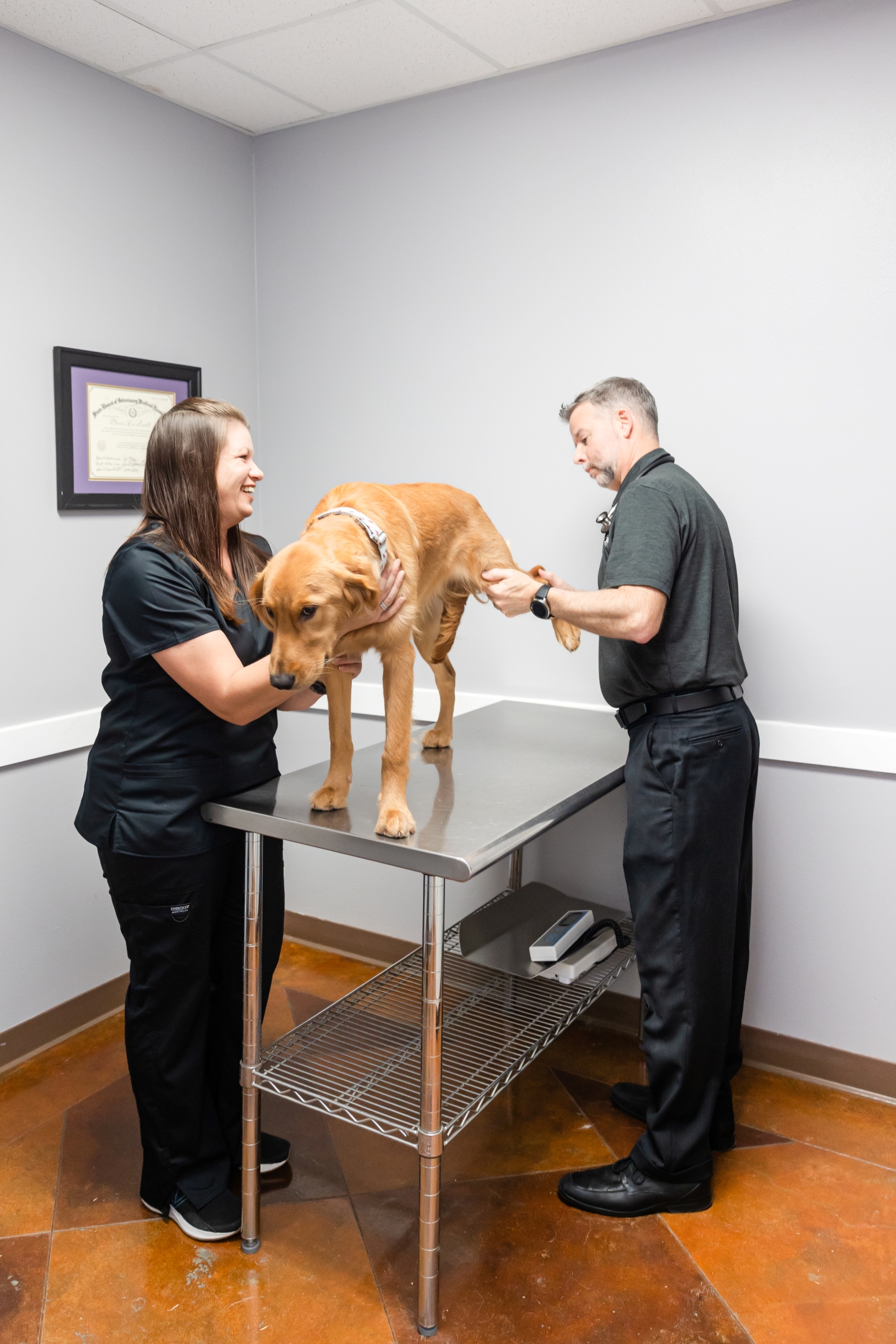
With vaccination, timing is everything, but there is room for nuance. A critical discussion point at check this out Prairieville Animal Hospital concerns maternal antibodies in young animals. Puppies and kittens receive antibodies from their mothers, which can temporarily interfere with vaccine efficacy. For that reason, the initial vaccine series is spaced to ensure the animal develops its own active immunity once maternal protection wanes. This is not a one-size-fits-all rule; variations in litter health, maternal antibody levels, and the presence of interfering pathogens can alter the schedule. The veterinarian uses a combination of established guidelines and clinical judgment to determine the best path for each patient.
The conversation around vaccines also intersects with other preventive care measures. Dental health, nutrition, parasite protection, and behavioral enrichment all contribute to a robust, resilient pet. Vaccines do not operate in a vacuum; they are a part of a broader wellness plan designed to support a pet’s overall health and happiness. A solid wellness strategy acknowledges that vaccines are just one layer of protection. Regular dental checkups prevent gingivitis, which can affect systemic health and, in rare cases, influence vaccination outcomes by stressing the immune system. A nutrition plan that aligns with age, activity level, and health status powers the immune system and improves how vaccines perform. The most effective approach at Prairieville Animal Hospital blends vaccines with a holistic view of pet health.
From the perspective of a veterinary team member, the real rewards of vaccinations come into focus when families return for routine wellness checks with confident, healthy pets. The best outcome is not a single vaccination event but a sustained, healthy life for the animal and peace of mind for the owner. We hear from clients who share stories of puppies growing into well-adjusted, vaccinated dogs who thrive in obedience classes, or seniors who maintain a robust quality of life because vaccines helped prevent additional complications. These anecdotes, grounded in real experiences, reinforce why our recommended vaccination strategies matter and why they are adapted to each household.
The layout of our practice, the cadence of our visits, and the way we describe risk all contribute to how families feel about vaccines. Some clients will ask about delaying vaccination until after a vacation or a busy season. Others want to align vaccines with a specific event, such as a pet’s participation in a local fair or a day of summer camp at the shelter. We discuss these preferences with an honest assessment of potential exposure risks. The aim is not to impose a rigid timetable but to offer a framework that keeps vaccination practical and effective, avoiding the trap of a minimal approach that eyes only the next appointment rather than the future health trajectory.
For many pet owners, the relationship with Prairieville Animal Hospital extends beyond the clinic doors. We become a resource for questions about vaccines, but we also acknowledge the emotional component that comes with caring for a beloved animal. A family that has lost a pet to a preventable disease will tell you that vaccination is not a sterile medical decision but a humane one. It is about reducing fear and uncertainty for the pet and the people who care for it. It is about showing up for the pet’s life with informed, compassionate care that respects both science and the human-animal bond.
In practice, our vaccination discussions are bound to real-world scenarios that chart a practical course forward. Consider how a medium-sized dog who attends daycare every week and accompanies the family on weekend hikes may benefit from a targeted non-core vaccine while still maintaining a clean, evidence-based core schedule. Or a cat that stays indoors but has occasional supervised access to the outdoors may need different guidance than a purely indoor cat who has never been exposed to outside pathogens. Each scenario informs a tailored plan, with careful consideration of potential side effects, regional disease prevalence, and the family’s tolerance for risk.
To help families navigate the decision process, we offer two concise lists during the discussion. These lists are designed to distill the essentials without oversimplifying, and they are kept within a practical limit to maintain clarity.
- Core vaccines for dogs and cats cover the most severe and widely transmitted diseases, forming the foundation of preventive care.
- Non-core vaccines address environment- and lifestyle-related risks, such as boarding, travel, or exposure to wildlife or other animals.
- Timing considerations include initial puppy or kitten series, booster intervals, and annual re-evaluation during wellness exams.
- Monitoring for adverse reactions is built into the process, with clear guidance on what to watch for after vaccination.
- The vaccines are part of a broader wellness plan that includes dental care, parasite prevention, and appropriate nutrition.
This concise framework helps families see the forest without getting lost in the trees, while still leaving space for the nuanced discussion that individual patients require.
The road ahead for vaccines includes staying current with evolving recommendations. Pathogens mutate, new formulations appear, and public health guidance shifts in response to emerging data. Prairieville Animal Hospital stays engaged with the latest science and local epidemiology, ensuring that vaccination plans reflect both global best practices and the realities of our community. Our commitment is to clarity without alarm, to science without rigidity, and to care that respects the pet’s voice in the room as much as the owner’s.
Practical steps you can take when planning vaccinations include confirming your pet’s age and health status ahead of an appointment, bringing a concise health history, and discussing any known reactions from past vaccines. If you have a history of travel or a plan to board your pet, share those details so we can adjust the schedule accordingly. It is also useful to understand the administration process. Vaccines are typically given by injection, either under the skin or into muscle, depending on the product and the target species. Most pets tolerate injections well, especially when the clinic staff has established a gentle, familiar routine with the patient. For nervous pets, we can suggest preparatory strategies, such as a short acclimation session, a low-stress handling approach, or a pre-visit enrichment plan that reduces anxiety and makes the experience smoother.
We also recognize that vaccines are not a standalone predictor of health. A pet’s immune status depends on an array of factors, including stress, environmental cleanliness, and the presence of other illnesses. The medical team at Prairieville Animal Hospital consistently emphasizes vaccination as part of a proactive, preventive mindset. The aim is not to chase a vaccine-perfect world but to minimize risk in the most practical, humane way possible. That means we keep conversations open, revisit plans during wellness visits, and adjust recommendations as a pet’s life circumstances change.
Involvement from the owner is essential. We invite families to participate actively in the vaccination plan. Reading about vaccines helps, but there is no substitute for a living, breathing dialogue in the exam room. We want owners to feel confident asking questions about concerns, costs, or the potential scheduling conflicts that arise in busy households. A well-informed client can make decisions that align with their values and their pet’s needs. The best outcomes occur when clients communicate openly and clinicians respond with precise, evidence-based guidance that respects the pet’s comfort and the household’s realities.
The long view matters. Vaccination is not a one-off event but a long-term strategy that develops over a lifetime. Pets grow from curious, energetic youngsters into stable, middle-aged companions who still benefit from an established vaccination routine. Our aim is to ensure the plan adapts as pets age, as their lifestyles change, and as new truths about diseases and vaccines emerge. Maintaining a steady, thoughtful approach reduces the risk of disease while keeping the experience humane, predictable, and aligned with the family’s priorities.
We see communities benefit when clinics like Prairieville Animal Hospital provide consistent, science-based guidance in approachable terms. Vaccination programs are not about pressuring owners into every recommended shot; they are about offering reliable protection that fits real life. By anchoring our recommendations in what we observe in practice, we produce results that look and feel like good health in a living environment that rarely stays still for long. The pet’s health trajectory benefits from that reliability, and the family gains peace of mind from a plan they understand and can manage.
If you are considering vaccines for your pet, the question often becomes not whether to vaccinate, but how to integrate vaccines into a broader picture of ongoing wellness. The answer lies in a steady partnership with your veterinary team, one built on transparency, responsiveness, and a shared commitment to keeping pets healthy across their lifespans. Prairieville Animal Hospital remains dedicated to that partnership, offering clear explanations, practical scheduling, and the steady hands of clinicians who read a pet’s body language as clearly as the vaccination needle. We want to help every family feel confident about the choices they make for their animal friends.
In closing, vaccinations are a cornerstone of responsible pet ownership. They represent more than a medical intervention; they symbolize a commitment to durable health, to fewer sudden illnesses, and to the predictable, joyful life that companions bring into homes. When families walk through the door at Prairieville Animal Hospital, they bring with them a story: a routine, a concern, a plan for a future where their pet can explore, play, and rest without fear of preventable disease. Vaccines do not erase risk entirely, but they shrink it dramatically, and the clinical experience of our team reinforces the value of that reduction every day.
For those who want specifics tied to our practice, the following reminders help anchor discussions in real life. Core vaccines usually set the baseline for dogs and cats, protecting against a handful of diseases with high stakes and broad reach. Non-core vaccines fill in gaps based on environment and life stage, giving families the option to tailor protection to their actual exposure. The timeline from first to maintenance doses gives puppies and kittens a robust start while allowing adults to stay protected with regular re-evaluation during wellness visits. Monitoring for adverse reactions remains a standard part of every vaccination encounter, because informed owners know what to watch for and how to respond.
The ultimate aim is a practical, compassionate plan that fits the household, respects the animal, and reflects a clinician’s steady judgment. Vaccinations for pets at Prairieville Animal Hospital embody that principle in daily practice. We are not chasing perfect science alone; we are building a reliable, humane approach to health that the entire family can understand and commit to. If you want to talk through a specific vaccine schedule for your pet, or you want to set up a wellness plan that includes vaccines, we are ready to listen and to guide you with the same care that has sustained this community for years. Vaccination is a shared responsibility, and when done thoughtfully, it becomes a foundation for a healthier life for pets and the people who love them.